There are jockeys, there are champions, and then there is AP McCoy, the man who treated gravity as a polite suggestion and second place as a personal insult.
Born Anthony McCoy in the quiet countryside of Northern Ireland, he didn’t so much find horse racing as he sprinted at it head-first. While other children dreamt of football glory, McCoy was already rehearsing finishes in fields, legs pumping in imaginary stirrups. He wasn’t tall. He wasn’t built like a heavyweight. What he was built from, however, was pure competitive voltage.
And hunger, the kind that doesn’t fade after dinner.
From Pony Races to Professional Ruthlessness
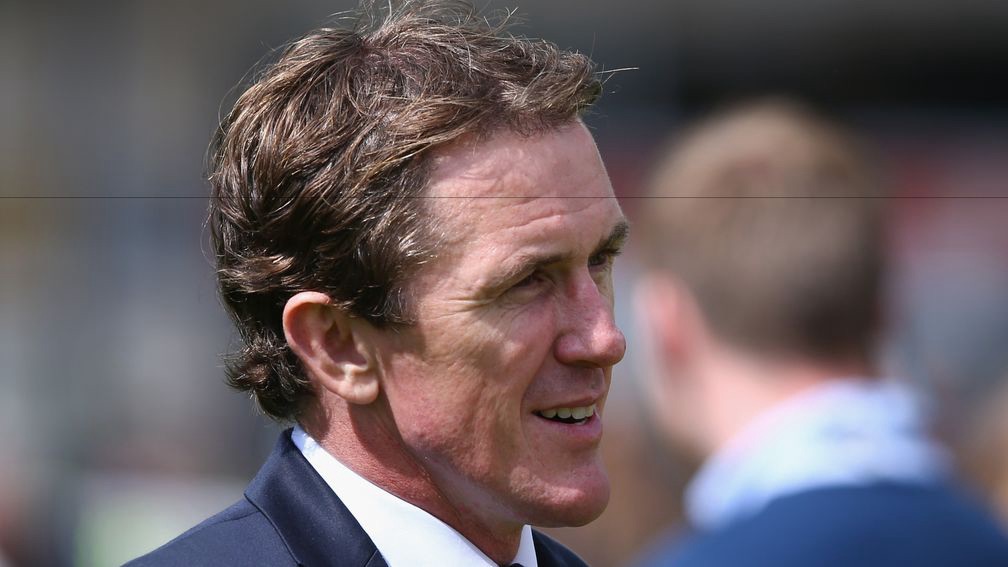
Before the trophies, before the roaring crowds at Cheltenham, there was a wiry teenager with a stubborn streak and an accent sharpened by ambition. McCoy moved to England to pursue National Hunt racing, trading comfort for opportunity.
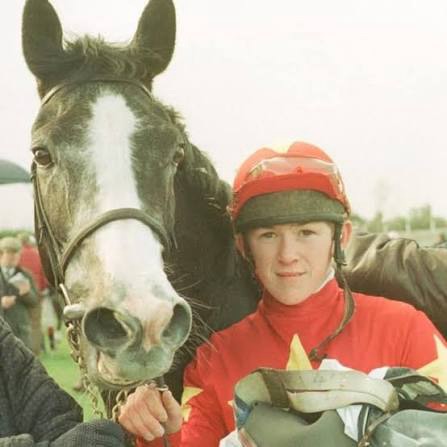
By 1994, he was Champion Jockey.
He would go on to win the Champion Jockey title 20 consecutive times.
Twenty.
That’s not dominance, that’s a sporting monarchy.
His style wasn’t flamboyant. It was relentless. McCoy rode every race, whether a midweek novice chase at Plumpton or the blue riband at Cheltenham, like the fate of civilisation depended on it. If a horse had one more ounce to give, he would find it. If it didn’t, he’d borrow one.
For years, critics muttered one thing: “Yes, but he hasn’t won the National.”
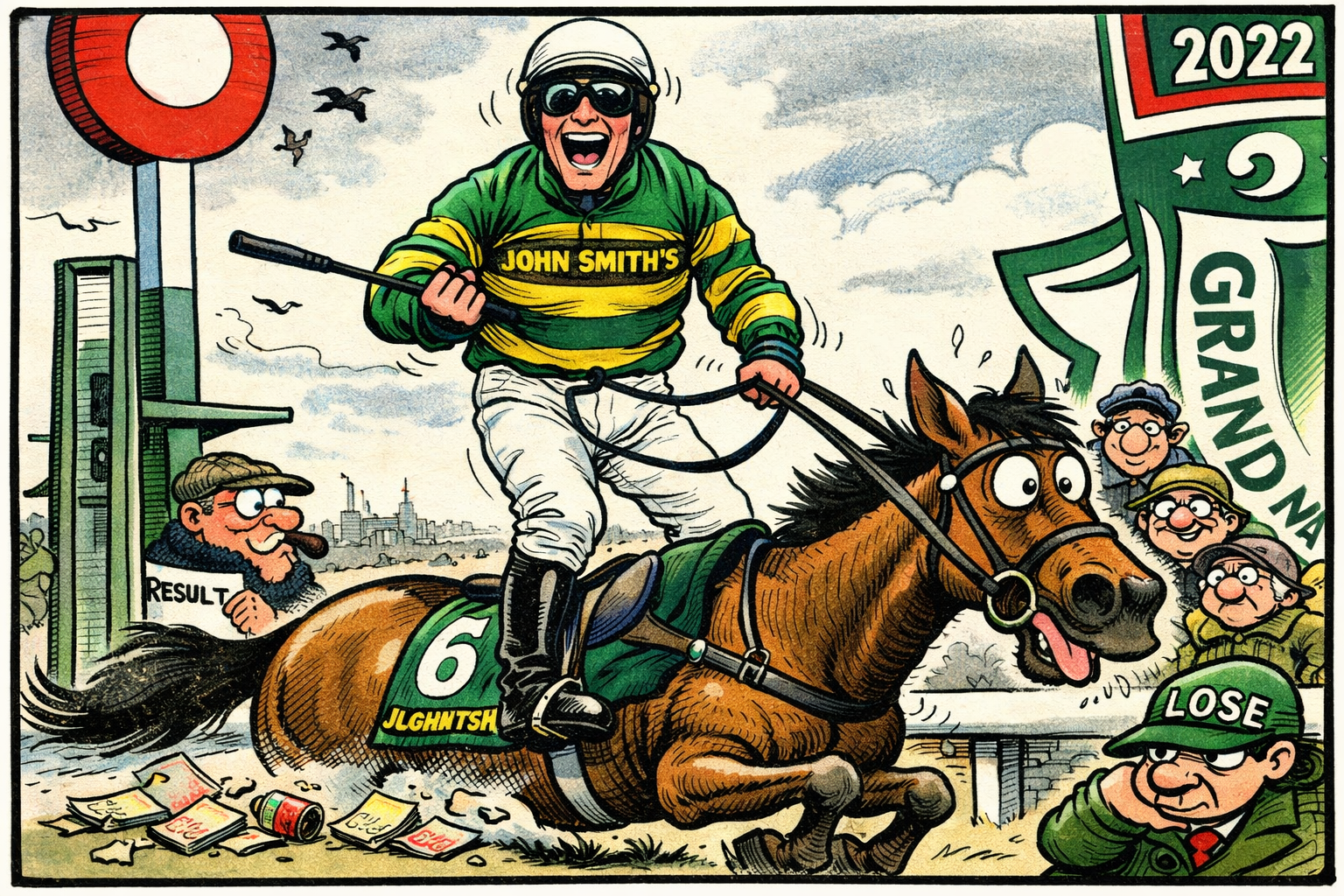
Then came 2010. On Grand National, aboard Don’t Push It, McCoy finally conquered Aintree’s marathon of madness.
The irony? The horse was trained by Jonjo O’Neill, McCoy’s longtime ally. The pressure was mountainous. The expectation suffocating.
He delivered anyway.
As they crossed the line, it wasn’t just victory, it was release. Years of near-misses evaporated in one perfect ride. The grin said it all: even the G.O.A.T. wanted this one badly.
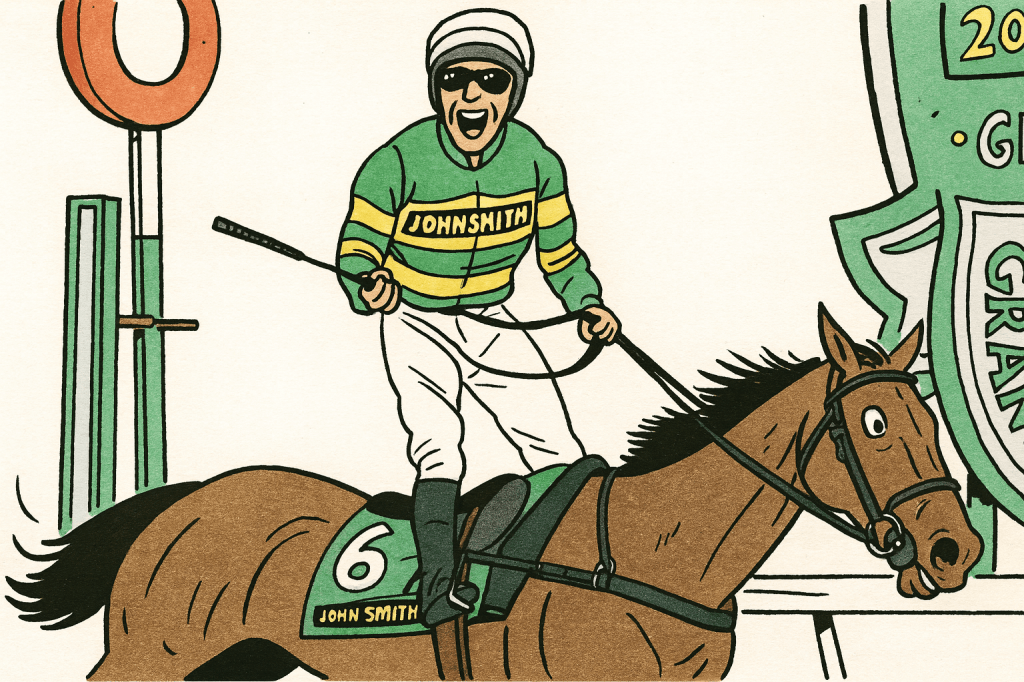
The Art of the Finish: Wichita Lineman (2009)
If you want to explain McCoy to someone unfamiliar with racing, show them his ride on Wichita Lineman in the 2009 William Hill Trophy at Cheltenham.
Coming to the last fence, defeat looked certain. Another jockey might have settled for second. McCoy rode as if second carried a fine.
He drove, he demanded, he willed the horse forward, and somehow, impossibly, they got up on the line.
It wasn’t pretty. It wasn’t smooth.
It was McCoy distilled: refusal in human form.
Champion Hurdle Mastery: Binocular (2010)
In the same golden year as his National triumph, McCoy guided Binocular to victory in the Champion Hurdle.
This was tactical brilliance. Patience instead of power. Timing instead of tyranny. It proved something essential: McCoy wasn’t just force, he was finesse when required.
Even his critics had to concede: the man could do subtle. He just preferred savage.
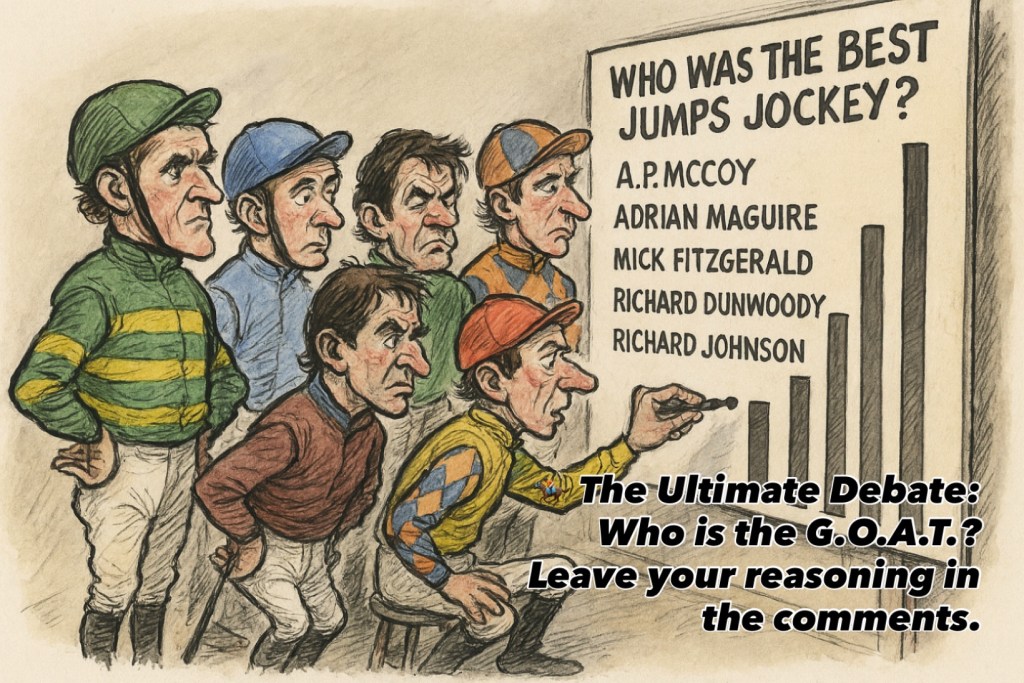
The Numbers Are Absurd
Over 4,300 career winners 20 consecutive Champion Jockey titles Knighted in 2016 BBC Sports Personality of the Year (2010)
But statistics don’t capture what made him the G.O.A.T.
It was the ride at Taunton on a rainy Tuesday when most champions would conserve energy.
It was the broken bones, the punctured lungs, the concussions, and the inevitable return.
It was the refusal to ever, ever mail it in.
McCoy didn’t ride for applause.
He rode because losing annoyed him.
The Man Behind the Iron Will
Off the track, Sir AP is thoughtful, often quietly spoken, almost at odds with the gladiator persona in the saddle. Retirement in 2015 didn’t dull his competitive instinct; it merely redirected it.
The hunger never really leaves someone like that.
Because greatness in jump racing isn’t just about balance and bravery. It’s about obsession, the healthy kind, the historic kind.
And in that department, Sir AP McCoy didn’t just raise the bar.
He cleared it by a length.
If horse racing had a Mount Rushmore, McCoy wouldn’t just be carved into it, he’d probably be riding up the side, asking the sculptor to go faster.
 Silks and Shenanigans